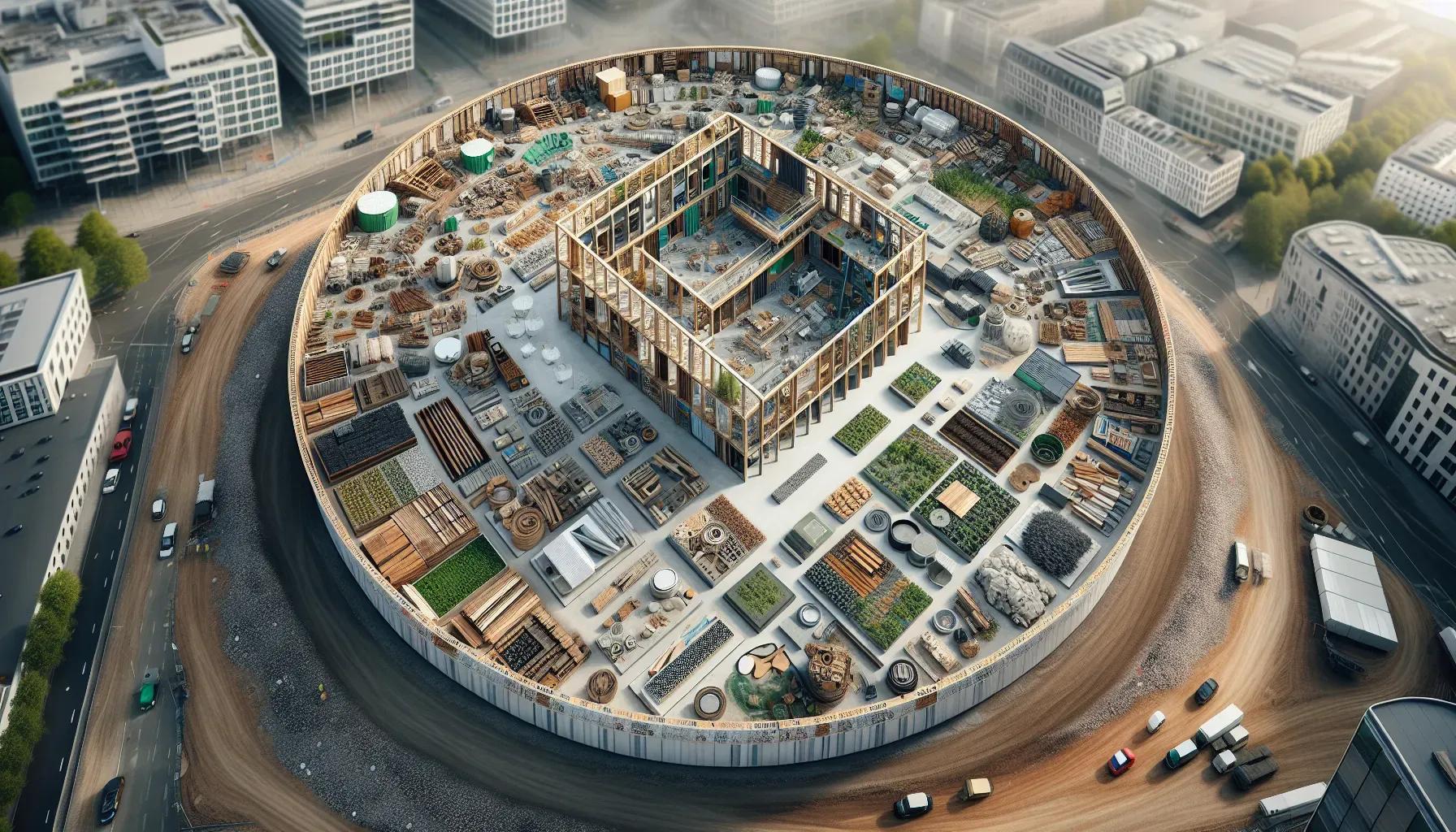

How to Incorporate Circular Economy Principles in Construction
Delving into the world of sustainable building, this article unpacks the transformative potential of circular economy principles in construction. Readers will gain expert insights on practices like design for deconstruction, extending roof lifespans, and innovative recycling initiatives. Learn how industry leaders are paving the way towards a greener future in construction.
- Design for Deconstruction and Material Reuse
- Extend Roof Lifespans with Sustainable Options
- Toronto Roofer Recycles and Repurposes Materials
Design for Deconstruction and Material Reuse
At Rubicon Wigzell, we see the circular economy as more than just a sustainability buzzword--it's a practical approach that reduces waste, cuts costs, and delivers long-term value. One of the key ways we incorporate it into our projects is by focusing on material reuse and designing for deconstruction. Instead of treating demolition as the end of a building's life, we plan from the start how materials can be repurposed, recycled, or reintegrated into future projects.
A great example is a recent commercial development where we worked closely with suppliers and contractors to reclaim high-value materials like steel, timber, and facade elements. Rather than sending everything to landfill, we salvaged and repurposed structural components, reducing material costs and environmental impact. We also used prefabricated modular components designed for easy disassembly, allowing for future adaptability instead of waste.
The biggest challenge in adopting circular economy principles is changing traditional mindsets in construction, but the benefits are undeniable. Less waste means lower costs, fewer raw materials, and a more resilient supply chain. It's about smart design, smarter resource management, and proving that sustainability and profitability can go hand in hand.

Extend Roof Lifespans with Sustainable Options
Roofing generates massive waste, but smart planning changes everything. Every project starts with material efficiency--ordering only what's needed, using precision cuts, and repurposing excess. Instead of sending old shingles to landfills, they are redirected to asphalt companies for road construction. Metal scraps are sorted and recycled, reducing unnecessary production demand.
Tear-off materials aren't the only focus. Sustainable roofing options extend the life cycle of buildings. Cool roofs reflect heat, cutting energy costs. Metal and composite materials last decades longer than traditional shingles, lowering replacement frequency. Even minor choices--like using synthetic underlayment over felt--mean fewer replacements and less waste.
A recent commercial project replaced a deteriorating flat roof. Instead of a full tear-off, a recovery system was installed over the existing structure. This eliminated tons of waste, reduced material use, and extended the roof's lifespan by decades. The client saved money while lowering environmental impact.
The construction industry is shifting. Traditional waste-heavy practices are outdated. Resource reuse, material longevity, and sustainable design aren't trends--they're necessities. Businesses that fail to adapt will fall behind. The future demands smarter solutions.

Toronto Roofer Recycles and Repurposes Materials
Toronto Roofer integrates circular economy principles into its construction projects by minimizing waste, reusing materials, and prioritizing sustainable roofing solutions.
Example: Roof Material Recycling & Reuse
One way Toronto Roofer reduces waste is by salvaging and recycling asphalt shingles, metal roofing, and other roofing materials. Instead of sending old shingles to landfills, they collaborate with local recycling facilities that process asphalt shingles into new road paving materials. Similarly, metal roofing components are collected and sent for reprocessing, reducing the need for raw materials.
Additionally, Toronto Roofer promotes energy-efficient and durable roofing options like metal and cool roofs, which extend the lifespan of a roof, reducing long-term material consumption. By using high-quality, recyclable materials and implementing responsible waste disposal practices, Toronto Roofer actively contributes to a more sustainable construction industry.
How Toronto Roofer is Reducing Waste and Promoting Resource Reuse
Sustainability in the construction industry has become more important than ever, and Toronto Roofer is committed to implementing circular economy principles in its roofing projects. By focusing on waste reduction, material reuse, and environmentally friendly solutions, we are actively contributing to a greener future.
What is the Circular Economy in Roofing?
The circular economy aims to minimize waste and maximize the reuse of materials, reducing reliance on virgin resources. In roofing, this means diverting old materials from landfills, utilizing recyclable components, and extending the lifespan of roofs through durable solutions.
How Toronto Roofer Reduces Waste
1. Recycling Asphalt Shingles
One of the biggest sources of roofing waste is asphalt shingles. Instead of discarding them, Toronto Roofer collaborates with local recycling facilities that process used shingles into materials for road paving. This not only reduces landfill waste but also supports sustainable infrastructure development.
2. Repurposing Metal Roofing Components
Metal roofing is a highly sustainable option due to its recyclability. Old metal panels, gutters, and flashing are collected and sent for reprocessing, ensuring that they can be used in new construction projects instead of being discarded.
